

LED EVENT Vendée – Ecrans LED, Captation vidéo, espaces scéniques – Pour vos évènements dans le Grand Ouest et en France
Des solutions audiovisuelles et scénographiques pour vos salons, concerts, festivals, évènements sportifs, …
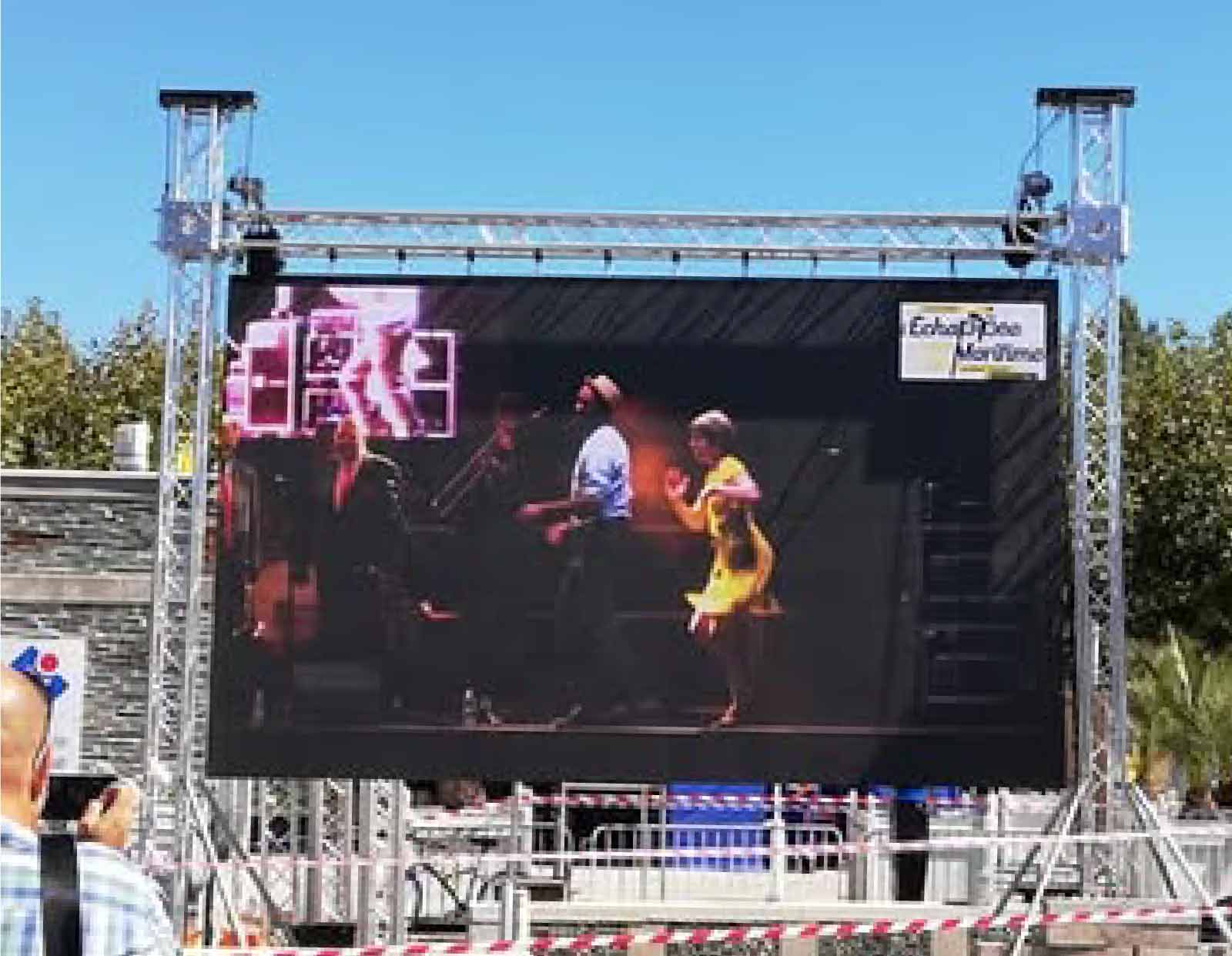
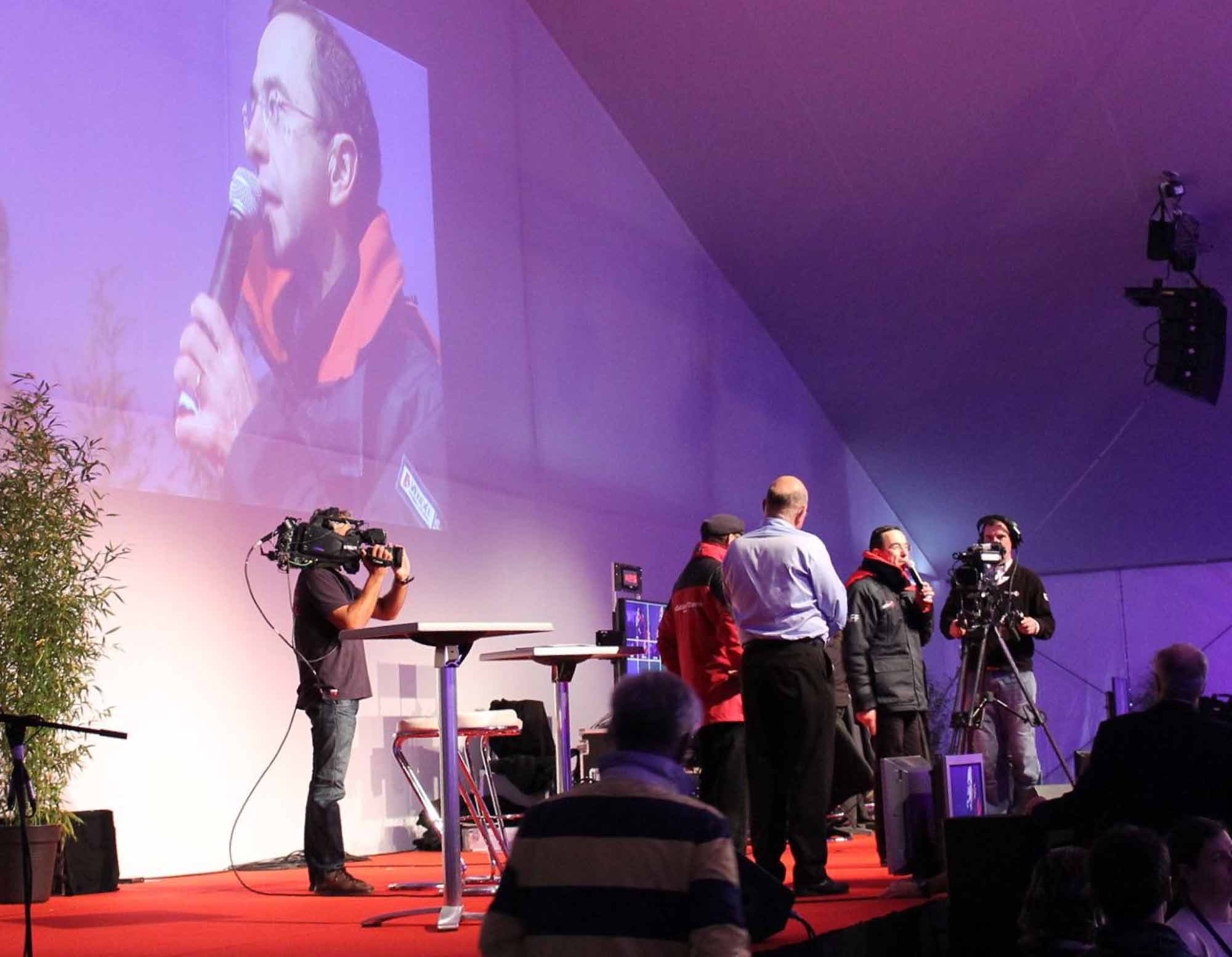
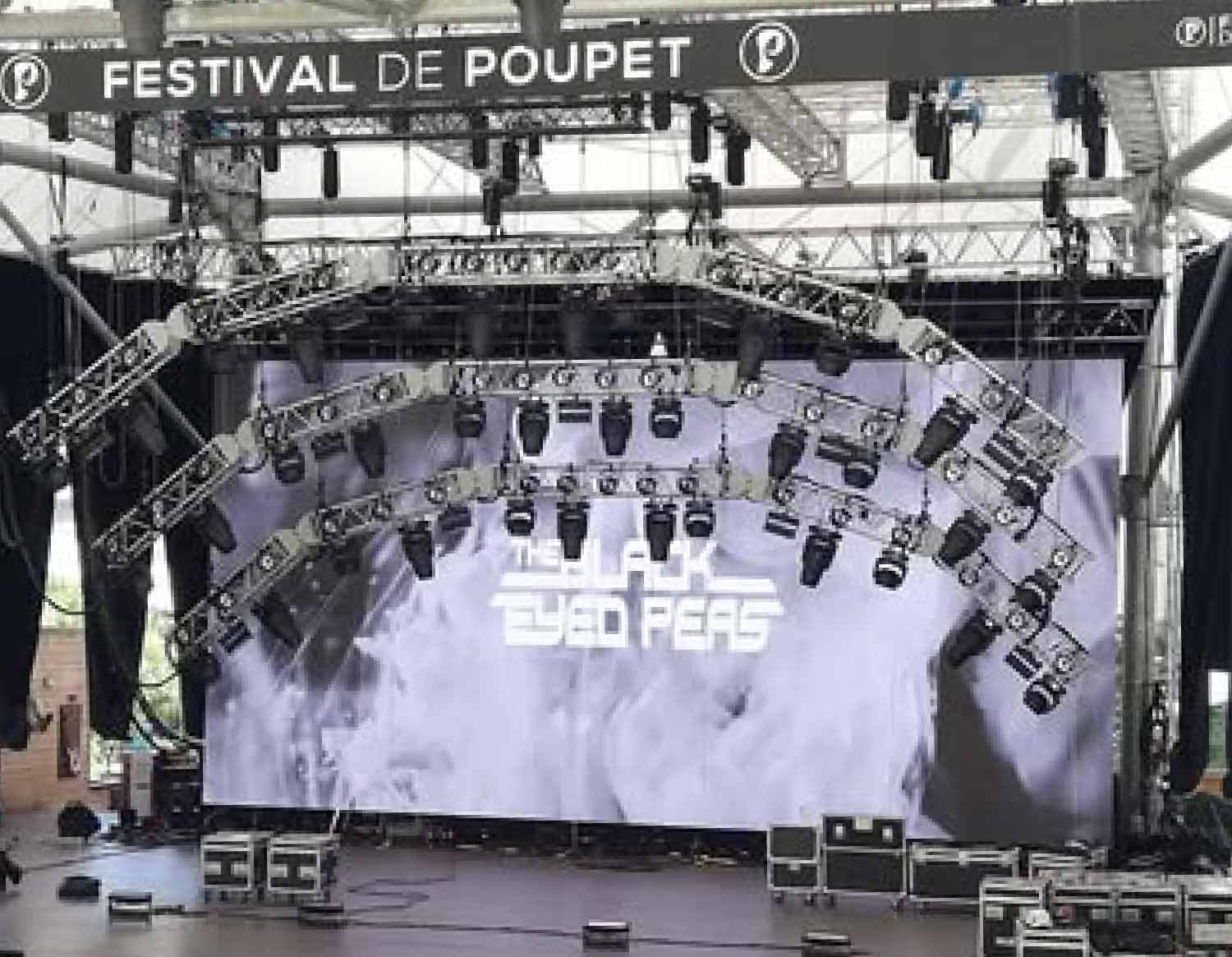
Basé en Vendée, LED EVENT accompagne vos évènements avec des solutions audiovisuelles performantes et des installations scéniques sur mesure. Spécialiste des écrans géants plein jour, murs LED, écrans transparents et bornes interactives, l’entreprise assure une visibilité parfaite en intérieur comme en extérieur. Son expertise en captation vidéo, retransmission et scénographie garantit une mise en scène professionnelle pour concerts, salons, festivals ou évènements sportifs. LED EVENT intervient dans tout le Grand Ouest et partout en France.

Nos références
Ylium
85340 Les Sables-d'Olonne
Festival Ecaussysteme
46600 Gignac
Famille Rurale
Vendée Va'a
85100 Les Sables-d'Olonne
Au fil du Son
86400 Civray
Les Nuits de la Tour
85750 Angles
Festival de Poupet
85590 Saint-Malô-du-Bois
Vendée Globe
85 100 Les Sables-d'Olonne

Oryon
85000 La Roche-sur-Yon
Jeanneau
44 000 Nantes
Puy du Fou
85590 Les Epesses
La Route du Rhum
35 400 Saint-Malo
Grand Pavois La Rochelle
17000 La Rochelle
Palmashow

Camping Paradis
85440 Saint-Hilaire-la-Forêt
ESFORA
85000 La Roche-sur-Yon
Ville de La Rochelle
17000 La Rochelle
Les 24h du Mans
72 000 Le Mans
Kuhn Andureau
85260 La Copechagnière
Salon Nautique d'Arcachon
33120 Arcachon
Marathon de Nantes
44000 Nantes
Ville de Royan
17200 Royan

15 ans
d’existence

Large choix
d’écrans

Matériel
renouvelé en permanence

Suivi
& accompagnement
Prenez contact !